


Solar Trackers: Boost Your Panel Efficiency

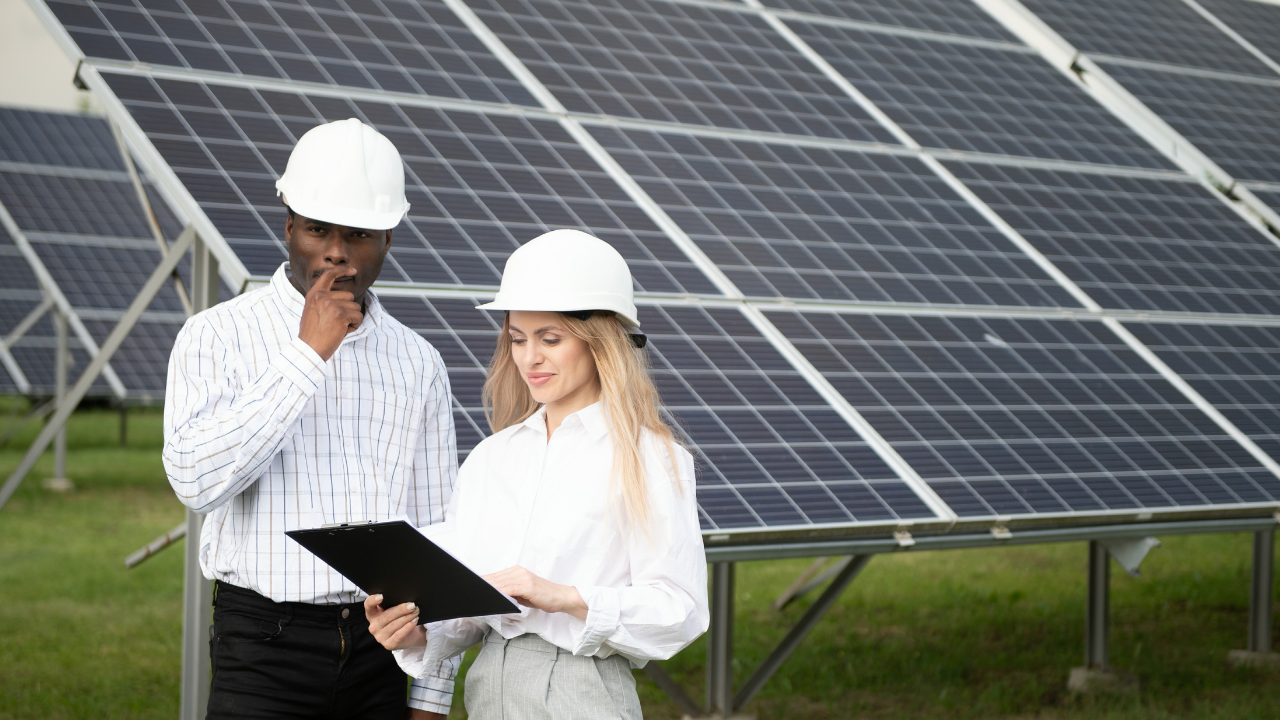
As the demand for clean energy continues to grow, solar trackers are emerging as an essential technology for maximising the efficiency of solar panel installations. By adjusting the orientation of panels to follow the sun’s movement throughout the day, these systems allow for greater energy production and better return on investment. This article explores how solar trackers work, the types available, their benefits, and why they are increasingly used across domestic, commercial, and agricultural applications in the UK.
What Are Solar Trackers?
Solar trackers are mechanical devices that move photovoltaic panels to follow the sun’s path across the sky. Unlike static or fixed systems that are installed at a single tilt and angle, trackers dynamically adjust the positioning of the panels to ensure they are always optimally aligned with incoming sunlight.
This constant repositioning leads to significantly higher energy output. Depending on the model and location, solar trackers can increase a system’s performance by between 20% and 40%. While the UK’s climate may not rival that of sunnier countries, many areas still receive sufficient solar radiation to benefit from the enhanced efficiency these systems provide.
How the System Works
A typical solar tracking setup includes motors and controllers that move the panels along one or two axes. These movements can be programmed using astronomical data or guided in real time by light sensors that detect the position of the sun.
There are two main categories:
-
Single-axis trackers: These rotate panels from east to west to follow the sun during the day. They are the most commonly used due to their affordability and simplicity.
-
Dual-axis trackers: These allow panels to move in two directions—horizontal and vertical—enabling optimal sun exposure throughout the year. While more complex and costly, they can significantly boost energy production.
Some advanced models combine tracking algorithms with sensor input to maximise efficiency while conserving the energy used by the motors themselves.
Benefits of Using Solar Trackers
One of the main advantages of solar trackers is the increase in energy generation without expanding the size of the array. This means users can produce more electricity with the same number of panels or achieve their energy goals with fewer modules. It’s especially valuable in situations where available space is limited.
In addition to higher energy yields, improved panel positioning means greater energy self-sufficiency. Households can reduce their reliance on the grid, while businesses and farms may cut operational costs and improve their sustainability credentials.
Furthermore, improved efficiency means fewer resources are required per unit of electricity generated, enhancing the environmental benefits of solar power overall.
Solar Tracker Options in the UK
The UK market offers a growing selection of solar tracking systems. While fixed-tilt installations are still dominant, tracking systems are becoming more accessible thanks to falling prices and technological improvements.
Single-axis trackers are increasingly found in commercial and agricultural settings, particularly in regions like the South West and South East, where solar irradiance is highest. Dual-axis systems, although less common, are suitable for projects where space is tight and maximum output is a priority.
Various UK-based suppliers offer end-to-end solutions, including site assessment, system design, installation, and long-term support. Some even provide monitoring platforms to help users track performance and detect issues proactively.
Performance Across UK Conditions
Although the UK is not known for endless sunshine, many areas still receive enough sunlight to make solar tracking worthwhile. Cities such as Bristol, Brighton, and even parts of Scotland receive enough solar radiation—especially in spring and summer months—to see clear benefits from improved panel orientation.
Tracking systems may not always deliver the same performance boosts as they do in sun-rich countries, but in the UK they can still play a role in increasing annual energy production, particularly when paired with energy storage or grid-feed-in schemes.
Additionally, as the country continues its transition to renewables, systems that deliver higher output per installed panel will become more desirable, both economically and environmentally.
Should Homeowners Consider Solar Trackers?
While solar trackers are more commonly associated with large-scale or commercial use, they can also be effective in residential contexts—especially where ground space is available and energy consumption is high.
Homeowners with electric vehicles, heating systems, or high daytime electricity usage may benefit from the increased efficiency provided by tracking technology. For example, a tracker-equipped system may help maximise self-consumption and reduce grid dependency, especially when combined with battery storage.
However, for homes with limited space or roofs that already receive consistent sunlight, it may be more practical to install additional fixed panels rather than invest in a tracker. Each case should be evaluated individually, ideally with input from a certified solar installer.
Maintenance and Longevity
Because they involve moving parts, solar trackers require more maintenance than static systems. Routine tasks include checking motor operation, lubricating moving joints, inspecting control systems, and ensuring that sensors are clean and functional.
That said, modern trackers are designed to be robust and low-maintenance. Many include remote monitoring features that send alerts if any issues arise, allowing for quick action and minimal downtime.
With proper upkeep, solar tracking systems can last upwards of 25 years, matching the lifespan of the panels themselves. Most manufacturers also offer extended warranties for peace of mind.
Future Prospects in the UK
As solar adoption continues to grow across the UK, the demand for more efficient systems is expected to rise. Solar trackers will play a key role in improving energy yield and system performance—especially in areas where space is limited or where households are looking to maximise return on investment.
Support schemes like the Smart Export Guarantee (SEG) and possible future incentives for energy-efficient upgrades may encourage more homeowners and businesses to adopt advanced solar technologies, including tracking systems.
The ongoing development of smarter, more compact trackers tailored to small-scale installations will also support adoption across the domestic market.
Frequently Asked Questions (FAQ)
1. How much more energy can a tracker system produce?
Depending on system type and location, energy output may increase by 20% to 40% compared to fixed installations.
2. Are they suitable for residential use?
Yes, especially for homes with ground space and higher energy needs. However, a site-specific assessment is recommended.
3. What maintenance is involved?
Maintenance includes checking motors, lubricating components, and ensuring sensors and controls are functioning properly.
4. Can solar trackers be roof-mounted?
Most are designed for ground-mounted systems due to space and movement requirements. Roof-mounted versions are rare.
5. Are they eligible for UK incentives?
While there are no tracker-specific subsidies, the energy produced qualifies under schemes like SEG, making them financially viable.